

- English
 Español
 Português
 русский
 Français
 日本語
日本語 Deutsch
 tiếng Việt
 Italiano
 Nederlands
 ภาษาไทย
 Polski
 한국어
한국어 Svenska
 magyar
 Malay
Malay বাংলা ভাষার
 Dansk
Dansk Suomi
Suomi हिन्दी
 Pilipino
 Türkçe
 Gaeilge
 العربية
 Indonesia
 Norsk
Norsk تمل
تمل český
český ελληνικά
 український
 Javanese
 فارسی
فارسی தமிழ்
தமிழ் తెలుగు
 नेपाली
 Burmese
 български
 ລາວ
ລາວ Latine
 Қазақша
 Euskal
 Azərbaycan
 Slovenský jazyk
 Македонски
 Lietuvos
 Eesti Keel
 Română
 Slovenski
 मराठी
मराठी Srpski језик

What Is an APV Related Titanium Plate Heat Exchanger and Why Does It Matter?
The APV Related Titanium Plate Heat Exchanger has become an essential solution for industries requiring exceptional corrosion resistance, thermal efficiency, and long-term operational reliability. This article provides a comprehensive, expert-level explanation of what an APV related titanium plate heat exchanger is, how it works, and why it plays a critical role in modern industrial heat transfer systems. Covering design principles, application scenarios, performance advantages, comparison with other materials, selection guidelines, and frequently asked questions, this guide is written to support engineers, procurement managers, and decision-makers seeking dependable alternatives or upgrades to traditional APV-compatible systems. Insights and manufacturing experience from Jiangyin Daniel Cooler Co., Ltd. are integrated throughout to ensure practical and authoritative value.
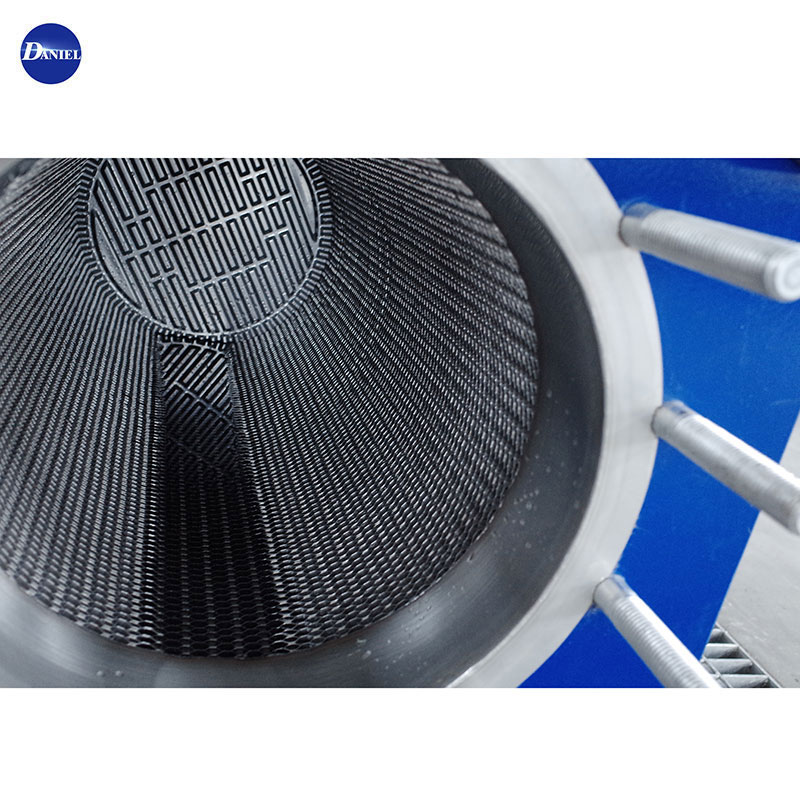
Table of Contents
- What Is an APV Related Titanium Plate Heat Exchanger?
- How Does an APV Related Titanium Plate Heat Exchanger Work?
- Why Is an APV Related Titanium Plate Heat Exchanger Important?
- Which Industries Use APV Related Titanium Plate Heat Exchangers?
- Which Is Better: Titanium vs Stainless Steel Plate Heat Exchangers?
- How to Choose the Right APV Related Titanium Plate Heat Exchanger?
- Frequently Asked Questions
- References
What Is an APV Related Titanium Plate Heat Exchanger?
An APV Related Titanium Plate Heat Exchanger refers to a titanium plate heat exchanger designed to be compatible with, interchangeable with, or functionally equivalent to APV-brand plate heat exchangers. These units maintain similar plate dimensions, port configurations, and thermal performance standards while using titanium as the primary plate material.
Titanium plates are selected specifically for environments involving seawater, chloride-rich fluids, aggressive chemicals, or high-purity processes. Compared with conventional APV stainless steel units, APV related titanium plate heat exchangers offer dramatically improved corrosion resistance and service life.
Jiangyin Daniel Cooler Co., Ltd. specializes in manufacturing APV-compatible titanium plate heat exchangers that meet or exceed original equipment specifications, providing reliable solutions for demanding industrial applications worldwide.
How Does an APV Related Titanium Plate Heat Exchanger Work?
The working principle of an APV related titanium plate heat exchanger is based on indirect heat transfer through a series of corrugated titanium plates. These plates are assembled in a frame and sealed with gaskets, creating alternating flow channels for hot and cold fluids.
- Hot and cold media flow in counter-current patterns
- Heat transfers efficiently through thin titanium plates
- Corrugations create turbulence, improving heat transfer coefficients
- No direct mixing of fluids occurs
Titanium’s excellent thermal conductivity combined with its resistance to corrosion ensures stable performance even under extreme operating conditions. Manufacturers like Jiangyin Daniel Cooler Co., Ltd. optimize plate geometry and pressing patterns to ensure compatibility with APV systems while enhancing efficiency.
Why Is an APV Related Titanium Plate Heat Exchanger Important?
The importance of an APV related titanium plate heat exchanger lies in its ability to solve problems that conventional materials cannot. In many industrial systems, corrosion, fouling, and frequent maintenance lead to downtime and high operating costs.
| Key Benefit | Practical Impact |
|---|---|
| Superior corrosion resistance | Longer service life in seawater and chemical environments |
| High heat transfer efficiency | Reduced energy consumption |
| Low maintenance requirements | Lower lifecycle costs |
| APV compatibility | Easy replacement or system upgrade |
For companies seeking reliable alternatives to original APV units, titanium solutions from Jiangyin Daniel Cooler Co., Ltd. represent a strategic investment in performance and durability.
Which Industries Use APV Related Titanium Plate Heat Exchangers?
Due to their exceptional material properties, APV related titanium plate heat exchangers are widely used across multiple industries:
- Desalination and seawater cooling systems
- Chemical processing plants
- Pharmaceutical and biotechnology production
- Food and beverage processing
- Marine and offshore engineering
- Power generation and energy systems
In each of these sectors, corrosion resistance and reliability are mission-critical. This is why manufacturers such as Jiangyin Daniel Cooler Co., Ltd. focus on strict quality control and material traceability.
Which Is Better: Titanium vs Stainless Steel Plate Heat Exchangers?
Selecting between titanium and stainless steel plate heat exchangers depends on operating conditions. The comparison below highlights key differences:
| Criteria | Titanium Plates | Stainless Steel Plates |
|---|---|---|
| Corrosion resistance | Excellent | Moderate |
| Seawater compatibility | Ideal | Limited |
| Initial cost | Higher | Lower |
| Lifecycle cost | Lower over time | Higher due to maintenance |
For aggressive environments, APV related titanium plate heat exchangers deliver superior value despite higher upfront investment.
How to Choose the Right APV Related Titanium Plate Heat Exchanger?
Choosing the right unit requires a clear understanding of system requirements:
- Fluid type and chemical composition
- Operating temperature and pressure
- Required heat transfer capacity
- Compatibility with existing APV frames
- Supplier experience and technical support
Working with an experienced manufacturer like Jiangyin Daniel Cooler Co., Ltd. ensures accurate selection, reliable performance, and long-term support.
Frequently Asked Questions
Q: What makes an APV related titanium plate heat exchanger different from standard models?
A: It is designed to be compatible with APV systems while using titanium plates for enhanced corrosion resistance and durability.
Q: Can APV related titanium plate heat exchangers replace original APV units?
A: Yes, when manufactured to compatible specifications, they can be used as direct replacements or upgrades.
Q: Are titanium plate heat exchangers suitable for seawater?
A: Yes, titanium is one of the best materials for long-term seawater applications.
Q: Do titanium plate heat exchangers require special maintenance?
A: Maintenance requirements are generally lower than stainless steel due to reduced corrosion and fouling.
Q: Why choose Jiangyin Daniel Cooler Co., Ltd. as a supplier?
A: The company offers proven manufacturing expertise, strict quality standards, and reliable APV-compatible solutions.
References
- Engineering Heat Transfer Fundamentals – Industrial Heat Exchanger Design
- ASM Handbook: Corrosion of Titanium and Titanium Alloys
- Industry Standards for Plate Heat Exchangers
If you are searching for a reliable APV Related Titanium Plate Heat Exchanger with proven performance and expert support, Jiangyin Daniel Cooler Co., Ltd. is ready to help. Contact us today to discuss your project requirements and receive a professional solution tailored to your application.
Send Inquiry




X
We use cookies to offer you a better browsing experience, analyze site traffic and personalize content. By using this site, you agree to our use of cookies.
Privacy Policy