

- English
 Español
 Português
 русский
 Français
 日本語
日本語 Deutsch
 tiếng Việt
 Italiano
 Nederlands
 ภาษาไทย
 Polski
 한국어
한국어 Svenska
 magyar
 Malay
Malay বাংলা ভাষার
 Dansk
Dansk Suomi
Suomi हिन्दी
 Pilipino
 Türkçe
 Gaeilge
 العربية
 Indonesia
 Norsk
Norsk تمل
تمل český
český ελληνικά
 український
 Javanese
 فارسی
فارسی தமிழ்
தமிழ் తెలుగు
 नेपाली
 Burmese
 български
 ລາວ
ລາວ Latine
 Қазақша
 Euskal
 Azərbaycan
 Slovenský jazyk
 Македонски
 Lietuvos
 Eesti Keel
 Română
 Slovenski
 मराठी
मराठी Srpski језик

How Does an APV Related Titanium Plate Heat Exchanger Improve Industrial Efficiency?
This comprehensive guide explores the technology, applications, benefits, and challenges associated with APV related titanium plate heat exchangers. It is designed for engineers, procurement specialists, maintenance professionals, and decision-makers who require deep insights into high-performance heat transfer equipment.
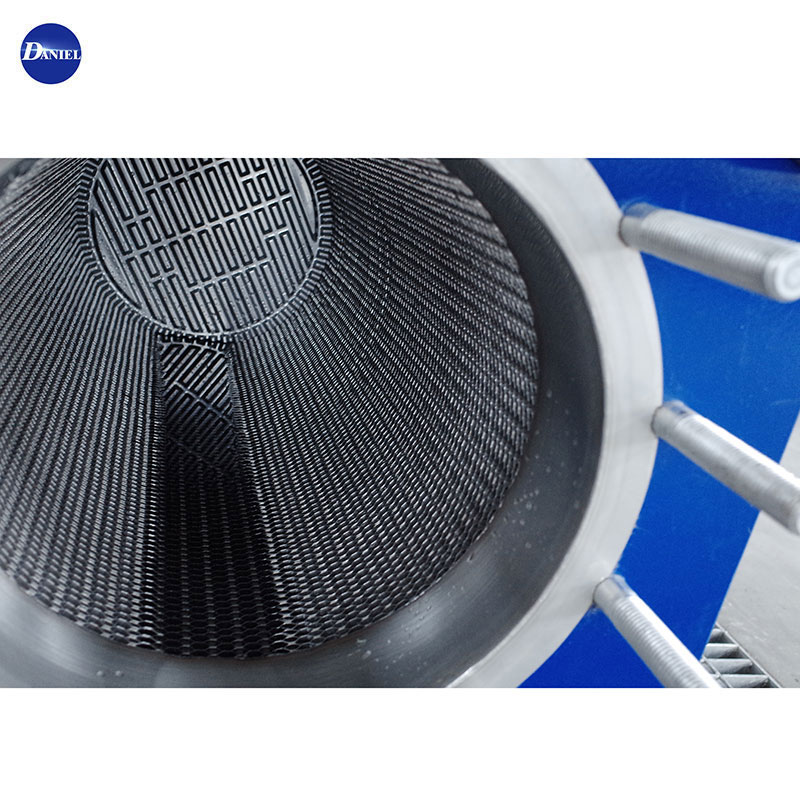
Table of Contents
- What Is an APV Related Titanium Plate Heat Exchanger?
- How Does an APV Related Titanium Plate Heat Exchanger Work?
- Why Use Titanium in Plate Heat Exchangers?
- Which Industries Benefit Most from These Heat Exchangers?
- What Are the Key Design Features and Specifications?
- How to Select the Right APV Related Titanium Plate Heat Exchanger?
- Frequently Asked Questions (FAQ)
How Does an APV Related Titanium Plate Heat Exchanger Work?
Plate heat exchangers transfer heat between two fluids without mixing them. In APV related models made of titanium, thin corrugated plates are stacked to create channels for hot and cold fluids. Heat is transferred through the titanium plates by conduction and convection.
| Component | Function |
|---|---|
| Titanium Plates | Provide corrosion resistance and thermal conduction surface |
| Gaskets | Seal plates to prevent fluid mixing and direct flow paths |
| Frame | Maintains structural integrity under pressure |
| Inlet/Outlet Ports | Direct fluids into alternating channels |
The alternating plate channels create a large surface area relative to volume, which significantly improves heat transfer efficiency compared to shell-and-tube designs of similar size. Flow patterns induced by corrugations enhance turbulence and improve heat exchange rates.
Why Use Titanium in Plate Heat Exchangers?
Titanium offers extreme corrosion resistance, especially against chloride-rich environments such as seawater. Other benefits include:
- Durability: Long service life even under aggressive operating conditions.
- Lightweight: Lower weight than comparable stainless steel units leads to easier handling and installation.
- Thermal Performance: Excellent thermal conductivity supports efficient heat transfer.
- Hygiene: Suitable for food, pharmaceutical, and biotech industries due to non-reactive surface.
These properties contribute to lower total cost of ownership over the lifespan of the equipment in severe environments.
Which Industries Benefit Most from These Heat Exchangers?
Industries requiring corrosion-resistant, efficient heat exchange solutions include:
- Marine & Offshore: Sea water cooling in ships and platforms.
- Desalination Plants: Preheating and recovery systems.
- Chemical Processing: Handling of aggressive fluids in heat recovery.
- Pharmaceuticals & Biotechnology: Sanitary heat transfer under low contamination risk.
- Power Generation: Cooling systems with challenging water chemistries.
These sectors especially benefit from the performance advantages and longevity that titanium materials deliver.
What Are the Key Design Features and Specifications?
Key features typically specified in titanium plate heat exchangers include:
- Plate Geometry: Corrugation patterns designed for optimal turbulence and structural integrity.
- Pressure Rating: Custom ratings depending on application pressure requirements.
- Temperature Range: Engineered for high ΔT (temperature differential) performance.
- Gasket Materials: Selected based on chemical compatibility and service temperature.
- Serviceability: Modular plate stack design allows easier maintenance.
Manufacturers provide detailed data sheets outlining dimensions, flow capacity, pressure, and temperature limits for each model variant.
How to Select the Right APV Related Titanium Plate Heat Exchanger?
Selecting the correct heat exchanger requires analyzing service conditions, such as:
- Fluid Types: Hot and cold fluid corrosivity, viscosity, and fouling tendencies.
- Flow Rates: Volumetric flow rates directly impact heat transfer and pressure drop.
- Temperature Profiles: Inlet/outlet temperatures and allowable ΔT.
- Maintenance Needs: Accessibility and frequency for cleaning and gasket replacement.
- Compliance Requirements: Industry standards for sanitation or material certifications.
Work with experienced suppliers — such as Jiangyin Daniel Cooler Co., Ltd. — to ensure correct specification and optimal performance for your application.
Frequently Asked Questions (FAQ)
What differentiates an APV related titanium plate heat exchanger from conventional ones?
APV related units leverage principles of high-efficiency plate design combined with titanium’s exceptional corrosion resistance, making them suitable for demanding environments where traditional stainless steel or carbon steel units would deteriorate quickly.
How does titanium improve longevity in heat exchange systems?
Titanium forms a passive oxide layer that protects the metal from corrosive attack, especially in chloride-rich fluids such as seawater. This reduces maintenance frequency and extends service intervals compared to less resistant materials.
What are the installation considerations for titanium plate heat exchangers?
Key installation aspects include ensuring proper alignment, avoiding differential stresses on connections, and providing adequate space for maintenance access. Because titanium is lightweight, handling is generally easier, but professional guidance is recommended for complex installations.
Are there cost differences between titanium and stainless steel heat exchangers?
Yes, titanium heat exchangers typically incur higher upfront costs than stainless steel due to raw material pricing. However, lower lifecycle costs driven by durability, reduced downtime, and lower maintenance can justify the initial investment.
Can these heat exchangers handle high-pressure applications?
Yes — properly designed titanium plate heat exchangers can be engineered to meet high-pressure demands. Always verify manufacturer specifications against your process conditions to ensure safe operation.
Send Inquiry




X
We use cookies to offer you a better browsing experience, analyze site traffic and personalize content. By using this site, you agree to our use of cookies.
Privacy Policy