

- English
 Español
 Português
 русский
 Français
 日本語
日本語 Deutsch
 tiếng Việt
 Italiano
 Nederlands
 ภาษาไทย
 Polski
 한국어
한국어 Svenska
 magyar
 Malay
Malay বাংলা ভাষার
 Dansk
Dansk Suomi
Suomi हिन्दी
 Pilipino
 Türkçe
 Gaeilge
 العربية
 Indonesia
 Norsk
Norsk تمل
تمل český
český ελληνικά
 український
 Javanese
 فارسی
فارسی தமிழ்
தமிழ் తెలుగు
 नेपाली
 Burmese
 български
 ລາວ
ລາວ Latine
 Қазақша
 Euskal
 Azərbaycan
 Slovenský jazyk
 Македонски
 Lietuvos
 Eesti Keel
 Română
 Slovenski
 मराठी
मराठी Srpski језик

What Is a Plate Evaporator Condenser and How Does It Improve Modern Heat Exchange Efficiency?
In today's industrial refrigeration and thermal management systems, efficiency, compact design, and long-term reliability are no longer optional—they are essential. Among various heat exchange solutions, the Plate Evaporator Condenser has become a preferred choice across industries such as HVAC, food processing, chemical manufacturing, pharmaceuticals, and energy systems. Its ability to integrate evaporation and condensation processes within a highly efficient plate structure allows companies to reduce energy consumption, lower operating costs, and maximize system performance.
This article explains what a Plate Evaporator Condenser is, how it works, why it outperforms traditional equipment, and which specifications matter most when selecting the right model for your application.
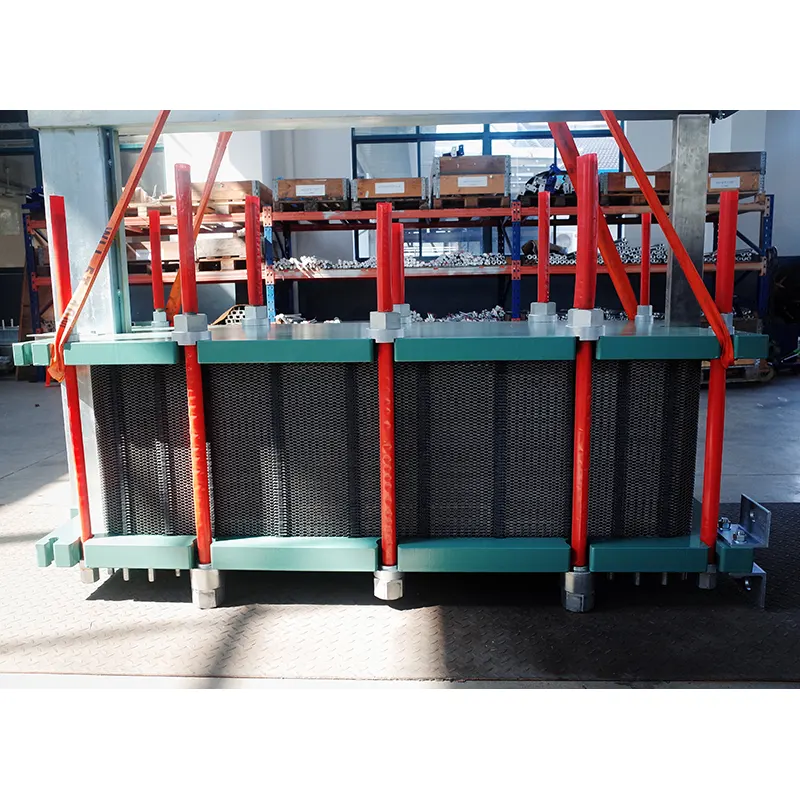
What Is a Plate Evaporator Condenser and How Does It Work?
A Plate Evaporator Condenser is a compact heat exchanger that uses corrugated metal plates to transfer heat between two fluids—typically a refrigerant and a secondary fluid such as water or glycol. The plate design creates turbulent flow even at low velocities, significantly improving heat transfer efficiency.
During operation:
-
The evaporator side absorbs heat as the refrigerant changes from liquid to vapor.
-
The condenser side releases heat as the vapor condenses back into liquid form.
-
Heat transfer occurs across thin stainless steel plates, allowing rapid thermal exchange with minimal energy loss.
This integrated process makes the Plate Evaporator Condenser ideal for systems requiring precise temperature control and high thermal performance within limited installation space.
Why Choose a Plate Evaporator Condenser Instead of Traditional Shell-and-Tube Designs?
Plate Evaporator Condenser vs. Shell-and-Tube Heat Exchanger
When comparing technologies, plate-based systems consistently demonstrate advantages over conventional shell-and-tube units.
Key differences include:
-
Higher heat transfer coefficient due to corrugated plate patterns
-
Smaller footprint, often requiring 30–50% less installation space
-
Lower refrigerant charge, reducing operational and environmental costs
-
Easier maintenance, as plates can be disassembled, cleaned, or replaced
For applications demanding efficiency, flexibility, and compactness, the Plate Evaporator Condenser delivers superior performance while supporting modern sustainability standards.
How Does Plate Design Improve Heat Transfer Efficiency?
The performance of a Plate Evaporator Condenser largely depends on its plate geometry and material selection.
Key design advantages:
-
Corrugated flow channels increase turbulence, reducing thermal resistance
-
Thin plate thickness shortens heat transfer distance
-
Uniform fluid distribution minimizes fouling and temperature gradients
-
Counter-current flow design maximizes temperature difference across plates
These features allow stable operation even under fluctuating load conditions, making plate evaporator condensers suitable for both continuous and variable-duty systems.
What Are the Key Technical Parameters of a Plate Evaporator Condenser?
Understanding product specifications is critical when selecting equipment for industrial or commercial use. Below is a simplified overview of typical parameters offered by Jiangyin Daniel Cooler Co., Ltd.
Plate Evaporator Condenser Technical Specifications
| Parameter | Specification Range |
|---|---|
| Plate Material | Stainless Steel 304 / 316L |
| Heat Transfer Area | 1–500 m² |
| Design Pressure | Up to 3.0 MPa |
| Design Temperature | -40°C to +200°C |
| Plate Thickness | 0.4 – 0.6 mm |
| Connection Type | Threaded / Flanged |
| Refrigerants | Ammonia, Freon, CO₂, Glycol |
| Application Media | Water, Oil, Chemical Fluids |
These parameters can be customized based on operating pressure, temperature range, and process medium to ensure optimal performance and safety.
Which Industries Benefit Most from Plate Evaporator Condensers?
HVAC and Refrigeration Systems
Used in chillers, heat pumps, and district cooling systems to improve energy efficiency and reduce operational costs.
Food and Beverage Processing
Ensures hygienic heat transfer during cooling, freezing, and pasteurization processes.
Chemical and Pharmaceutical Industries
Handles corrosive or high-purity fluids with precision temperature control.
Energy and Power Applications
Supports waste heat recovery and process optimization in power plants and renewable energy systems.
The adaptability of the Plate Evaporator Condenser makes it a versatile solution across a wide range of industrial environments.
How Does a Plate Evaporator Condenser Reduce Energy Consumption?
Energy efficiency is a primary reason companies switch to plate-based heat exchangers.
Efficiency advantages include:
-
Faster heat transfer reduces compressor workload
-
Lower pressure drop minimizes pumping energy
-
Compact design reduces heat loss
-
Reduced refrigerant volume lowers system inertia
Over time, these factors contribute to significant cost savings and improved system sustainability.
What Maintenance Is Required for a Plate Evaporator Condenser?
Maintenance requirements are relatively low compared to traditional designs.
Typical maintenance practices:
-
Periodic inspection of plates and gaskets
-
Cleaning via chemical or mechanical methods
-
Replacement of individual plates rather than entire units
-
Monitoring pressure drop to detect fouling
With proper maintenance, a Plate Evaporator Condenser can deliver long service life and consistent performance.
How to Select the Right Plate Evaporator Condenser for Your Application?
Choosing the correct model involves evaluating several factors:
-
Operating temperature and pressure
-
Type of refrigerant or working fluid
-
Required heat transfer capacity
-
Installation space limitations
-
Cleaning and maintenance accessibility
Professional technical support ensures accurate sizing and configuration, avoiding underperformance or excessive energy consumption.
Plate Evaporator Condenser FAQ – Common Questions Answered
What is a Plate Evaporator Condenser used for?
A Plate Evaporator Condenser is used to efficiently transfer heat between refrigerants and secondary fluids in refrigeration, HVAC, and industrial cooling or heating systems, combining evaporation and condensation processes within a compact plate structure.
How does a Plate Evaporator Condenser improve system efficiency?
It improves efficiency by increasing heat transfer rates through turbulent flow channels, reducing refrigerant charge, lowering pressure drop, and minimizing energy consumption during operation.
Which materials are best for a Plate Evaporator Condenser?
Stainless steel 304 or 316L is commonly used due to its corrosion resistance, strength, and suitability for a wide range of industrial fluids and refrigerants.
Why is a Plate Evaporator Condenser better than traditional heat exchangers?
It offers higher thermal efficiency, smaller size, easier maintenance, and lower operating costs compared to shell-and-tube heat exchangers, especially in modern high-efficiency systems.
Why Partner with Jiangyin Daniel Cooler Co., Ltd. for Plate Evaporator Condensers?
Jiangyin Daniel Cooler Co., Ltd. specializes in the design and manufacturing of high-performance heat exchange equipment tailored to global industrial standards. Each Plate Evaporator Condenser is engineered with precision materials, strict quality control, and application-specific customization to ensure reliable operation and long-term value.
For technical consultation, product selection, or customized solutions, contact Jiangyin Daniel Cooler Co., Ltd. to explore how a Plate Evaporator Condenser can optimize your thermal system performance.
Send Inquiry




X
We use cookies to offer you a better browsing experience, analyze site traffic and personalize content. By using this site, you agree to our use of cookies.
Privacy Policy