

- English
 Español
 Português
 русский
 Français
 日本語
日本語 Deutsch
 tiếng Việt
 Italiano
 Nederlands
 ภาษาไทย
 Polski
 한국어
한국어 Svenska
 magyar
 Malay
Malay বাংলা ভাষার
 Dansk
Dansk Suomi
Suomi हिन्दी
 Pilipino
 Türkçe
 Gaeilge
 العربية
 Indonesia
 Norsk
Norsk تمل
تمل český
český ελληνικά
 український
 Javanese
 فارسی
فارسی தமிழ்
தமிழ் తెలుగు
 नेपाली
 Burmese
 български
 ລາວ
ລາວ Latine
 Қазақша
 Euskal
 Azərbaycan
 Slovenský jazyk
 Македонски
 Lietuvos
 Eesti Keel
 Română
 Slovenski
 मराठी
मराठी Srpski језик

Why Is Heat Exchanger Selection Critical for Sea Water Air Refrigerators?
Choosing the right heat exchanger for a sea water air refrigerator is not a simple decision. From marine vessels to industrial cooling systems, selecting the appropriate model directly impacts efficiency, maintenance, and operational costs. Jiangyin Daniel Cooler Co., Ltd. has extensive experience in designing reliable heat exchangers that meet the demanding conditions of seawater environments.
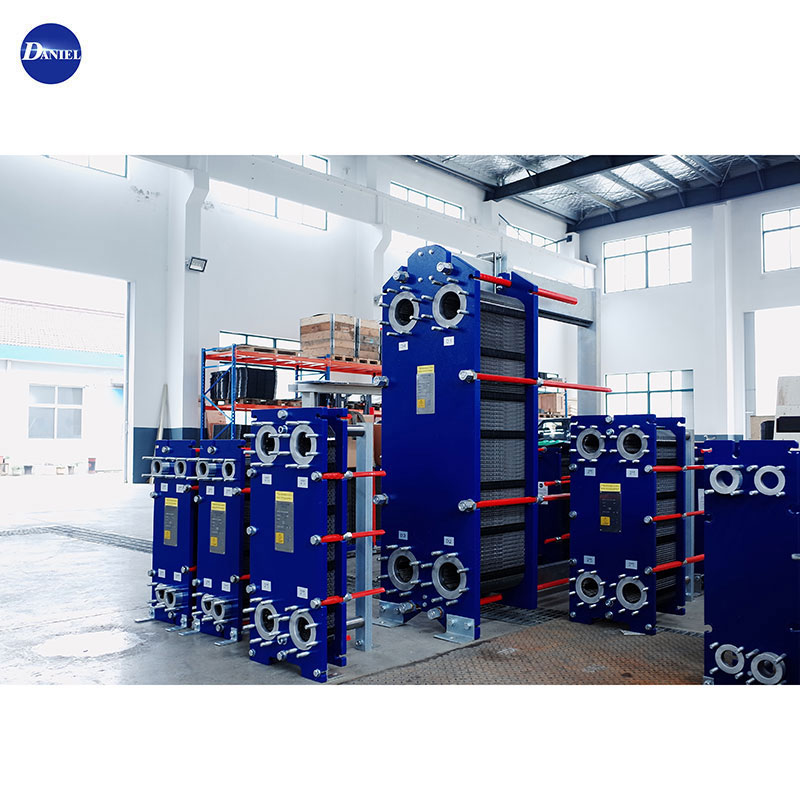
Table of Contents
Introduction Why Heat Exchanger Selection Matters Types of Heat Exchangers for Sea Water Air Refrigerators Key Factors in Heat Exchanger Selection Comparison of Heat Exchanger Types Installation and Maintenance Tips Common Problems and Solutions FAQ Conclusion
Introduction
Sea water air refrigerators are widely used in marine, industrial, and offshore applications. The core of these systems is the heat exchanger, which transfers heat efficiently from the refrigerant to seawater. A poorly chosen heat exchanger can lead to performance issues, corrosion, and frequent downtime. This article explores everything you need to know about selecting the ideal heat exchanger and highlights solutions from Jiangyin Daniel Cooler Co., Ltd.
Why Heat Exchanger Selection Matters
Heat exchangers are the heart of cooling systems. Selecting the wrong type can lead to:
- Reduced cooling efficiency and higher energy consumption.
- Faster corrosion due to the aggressive nature of seawater.
- Frequent maintenance, downtime, and increased operational costs.
- Poor system integration and potential safety hazards.
Investing in a well-designed heat exchanger ensures reliability and long-term savings.
Types of Heat Exchangers for Sea Water Air Refrigerators
Different types of heat exchangers are suited to specific applications:
1. Plate Heat Exchangers
These consist of multiple corrugated plates that create channels for seawater and refrigerant. Benefits include high efficiency, compact size, and easy maintenance.
2. Shell and Tube Heat Exchangers
This traditional design uses tubes within a shell to separate fluids. It is durable and ideal for high-pressure applications, though larger in size compared to plate designs.
3. Brazed Plate Heat Exchangers
Brazed plate exchangers offer excellent compactness and corrosion resistance, suitable for high-pressure and compact marine environments.
4. Finned Tube Heat Exchangers
Finned tube designs enhance heat transfer by increasing surface area and are effective when air-cooling is combined with seawater cooling loops.
Key Factors in Heat Exchanger Selection
Selecting the right heat exchanger requires evaluating several factors:
Thermal Performance
Calculate the required heat duty, temperature differences, and flow rates. Proper thermal sizing ensures the system operates efficiently.
Material Compatibility
Seawater is highly corrosive. Materials like titanium, copper-nickel, and stainless steel resist corrosion, reducing maintenance costs.
Flow Configuration
Counterflow designs typically provide higher thermal efficiency compared to parallel flow systems.
Maintenance Requirements
Consider ease of cleaning, ability to replace plates or tubes, and accessibility in the marine environment.
Space Constraints
Marine vessels and industrial sites often have limited space, making compact designs like brazed or plate heat exchangers preferable.
Comparison of Heat Exchanger Types
| Type | Advantages | Disadvantages | Best Use Case |
|---|---|---|---|
| Plate Heat Exchanger | High efficiency, compact, easy maintenance | Susceptible to fouling if water is dirty | Marine refrigeration, industrial cooling |
| Shell and Tube | Durable, high-pressure capable | Large footprint, harder to clean | Offshore plants, high-pressure applications |
| Brazed Plate | Compact, corrosion-resistant | Cannot be disassembled for cleaning | Marine HVAC, tight-space installations |
| Finned Tube | Enhanced heat transfer, versatile | Lower efficiency in seawater alone | Air-cooled combined systems |
Installation and Maintenance Tips
- Ensure proper orientation and mounting to avoid air pockets.
- Use strainers or filters to prevent fouling from seawater.
- Regularly inspect for corrosion, scaling, or leaks.
- Follow manufacturer guidelines for gasket replacement and cleaning intervals.
- Jiangyin Daniel Cooler Co., Ltd. provides installation support and maintenance training for all heat exchanger models.
Common Problems and Solutions
Fouling and Scaling
Seawater contains salts and minerals that accumulate on surfaces. Solution: periodic chemical cleaning or ultrasonic cleaning.
Corrosion
Even corrosion-resistant materials may fail if water treatment is poor. Solution: select titanium or copper-nickel and monitor water quality.
Leakage
Leaks often occur in gasketed plate exchangers. Solution: regular inspection and timely replacement of gaskets.
Poor Heat Transfer
Caused by insufficient flow rate or improper sizing. Solution: ensure correct thermal design using flow calculations.
FAQ
Q1: How often should a sea water air refrigerator heat exchanger be maintained?
A: Maintenance depends on water quality and usage but generally every 6–12 months, with inspections for corrosion and fouling.
A: Maintenance depends on water quality and usage but generally every 6–12 months, with inspections for corrosion and fouling.
Q2: What materials are best for seawater heat exchangers?
A: Titanium, copper-nickel, and stainless steel are ideal due to their corrosion resistance.
A: Titanium, copper-nickel, and stainless steel are ideal due to their corrosion resistance.
Q3: Can a plate heat exchanger handle high pressures?
A: Yes, but brazed plate or shell-and-tube designs are preferred for very high-pressure applications.
A: Yes, but brazed plate or shell-and-tube designs are preferred for very high-pressure applications.
Q4: How do I choose between plate and shell-and-tube exchangers?
A: Consider space, maintenance needs, flow rates, and pressure conditions. Plates are compact and efficient, shell-and-tube are durable and high-pressure capable.
A: Consider space, maintenance needs, flow rates, and pressure conditions. Plates are compact and efficient, shell-and-tube are durable and high-pressure capable.
Conclusion
Selecting the right heat exchanger for a sea water air refrigerator is essential to achieve maximum efficiency, reliability, and lifespan. Factors such as thermal performance, material, flow configuration, maintenance, and space constraints must all be considered. Jiangyin Daniel Cooler Co., Ltd. offers high-quality solutions with a focus on durability and performance in harsh marine environments. Whether you need plate, brazed, shell-and-tube, or finned tube heat exchangers, our team provides expert guidance to ensure optimal results. Ready to upgrade your cooling system? Contact us today and get professional advice from Jiangyin Daniel Cooler Co., Ltd.!
Previous:No News
Send Inquiry




X
We use cookies to offer you a better browsing experience, analyze site traffic and personalize content. By using this site, you agree to our use of cookies.
Privacy Policy