

- English
 Español
 Português
 русский
 Français
 日本語
日本語 Deutsch
 tiếng Việt
 Italiano
 Nederlands
 ภาษาไทย
 Polski
 한국어
한국어 Svenska
 magyar
 Malay
Malay বাংলা ভাষার
 Dansk
Dansk Suomi
Suomi हिन्दी
 Pilipino
 Türkçe
 Gaeilge
 العربية
 Indonesia
 Norsk
Norsk تمل
تمل český
český ελληνικά
 український
 Javanese
 فارسی
فارسی தமிழ்
தமிழ் తెలుగు
 नेपाली
 Burmese
 български
 ລາວ
ລາວ Latine
 Қазақша
 Euskal
 Azərbaycan
 Slovenský jazyk
 Македонски
 Lietuvos
 Eesti Keel
 Română
 Slovenski
 मराठी
मराठी Srpski језик

How to tell if a plate heat exchanger is bad?
The plate heat exchanger is the core equipment of the industrial heat exchange system. Timely judgment of whether it is damaged can avoid production interruption and safety hazards. It can be checked from the following aspects.
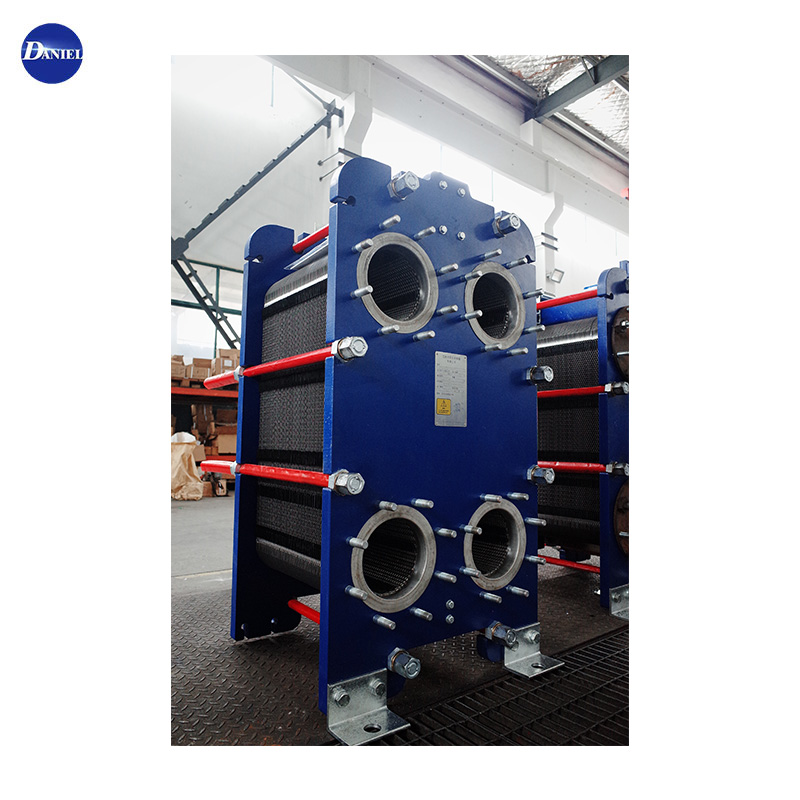 Temperature abnormality is an important warning. Under normal circumstances, the temperature difference between the inlet and outlet of the cold and hot media is stable. If the outlet of the high-temperature side cools down and the low-temperature side heats up slowly, or the temperature difference drops suddenly, it may be that the plate is scaled and blocked. Local abnormal high temperature may be caused by seal failure, resulting in medium mixing, and the machine needs to be shut down for inspection.
Pressure changes need to be vigilant. A sudden drop in pressure on the primary or secondary side and a large increase in water replenishment may be caused by plate perforation; an increase in the inlet and outlet pressure difference of more than 10% may be caused by flow channel blockage or plate deformation. It is recommended to install a pressure gauge and shut down when the fluctuation exceeds ±0.05MPa.
Leakage should be taken seriously. Leakage at the connection may be caused by loose bolts or aging of the gasket; emulsification of the medium indicates that the plate is damaged. If there is liquid accumulation or odor in the environment, internal leakage needs to be checked, and a color developer can be added to confirm the location.
Abnormal sound hides crisis. If there is a sharp abnormal noise or increased vibration during operation, it may be that the plate is loose, the frame is deformed, or the flow rate is too high. Long-term abnormal noise will accelerate wear, and in severe cases, the plate will break. You need to stop the machine immediately to check the fastening and flow channel.
During regular maintenance, disassemble the plate to see if there are scratches, corrosion, or deformation and whether the gasket is hardened and cracked. For equipment that has been used for more than 5 years, it is recommended to perform a water pressure test at 1.5 times the working pressure to test the sealing.
Daily temperature and pressure records, combined with regular inspections, can timely discover plate heat exchanger problems, extend life, and ensure stable operation of the system.
Send Inquiry




X
We use cookies to offer you a better browsing experience, analyze site traffic and personalize content. By using this site, you agree to our use of cookies.
Privacy Policy